The best climate dystopian novels
Climate dystopias treat the environment as the engine of the plot, not the backdrop. Drowned coasts, failed harvests, and the politics of scarcity drive these stories. A short list, since the seed catalog holds few, ordered by year.

1. Fahrenheit 451 (1953)
By Ray Bradbury
Fahrenheit 451 is a dystopian work by Ray Bradbury, published in 1953. The Dystopia Index files it under climate catastrophe, dystopian social satire, totalitarian control, and young-adult dystopia, tracing documented themes of censorship, ecological collapse, memory and identity, and rebellion. This entry links the book to its subgenres, themes, related titles, and where to read or borrow it.
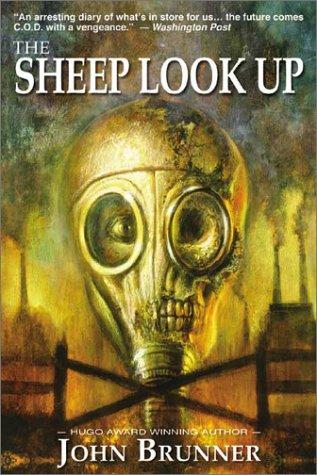
2. The Sheep Look Up (1972)
By John Brunner
The Sheep Look Up is a dystopian work by John Brunner, published in 1972. The Dystopia Index files it under climate catastrophe and corporate and consumer dystopia, tracing documented themes of ecological collapse. This entry links the book to its subgenres, themes, related titles, and where to read or borrow it.

3. Parable of the Sower (1993)
By Octavia E. Butler
Parable of the Sower is a dystopian work by Octavia E. Butler, published in 1993. The Dystopia Index files it under post-apocalyptic collapse, climate catastrophe, and young-adult dystopia, tracing documented themes of ecological collapse and rebellion. This entry links the book to its subgenres, themes, related titles, and where to read or borrow it.

4. The Dead and the Gone (2008)
By Susan Beth Pfeffer
The Dead and the Gone is a dystopian work by Susan Beth Pfeffer, published in 2008. The Dystopia Index files it under young-adult dystopia, climate catastrophe, and post-apocalyptic collapse, tracing documented themes of ecological collapse. This entry links the book to its subgenres, themes, related titles, and where to read or borrow it.