The best feminist dystopian novels
Feminist dystopias put reproduction, gender, and bodily autonomy at the center of the regime, exposing machinery a patriarchal order usually hides. These are the standout titles in the index, ordered by year.
- O Presidente Negro
1. O Presidente Negro (1926)
By Monteiro Lobato
O Presidente Negro is a dystopian work by Monteiro Lobato, published in 1926. The Dystopia Index files it under feminist dystopia, tracing documented themes of reproductive control. This entry links the book to its subgenres, themes, related titles, and where to read or borrow it.

2. Swastika Night (1937)
By Katharine Burdekin
Swastika Night is a dystopian work by Katharine Burdekin, published in 1937. The Dystopia Index files it under feminist dystopia and totalitarian control, tracing documented themes of reproductive control. This entry links the book to its subgenres, themes, related titles, and where to read or borrow it.
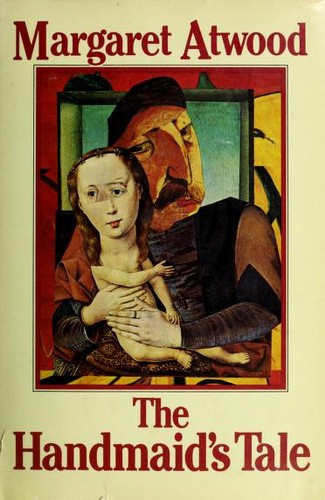
3. The Handmaid's Tale (1985)
By Margaret Atwood
The Handmaid's Tale is a dystopian work by Margaret Atwood, published in 1985. The Dystopia Index files it under feminist dystopia, totalitarian control, and dystopian social satire, tracing documented themes of rebellion, reproductive control, class conflict, and memory and identity. This entry links the book to its subgenres, themes, related titles, and where to read or borrow it.

4. Oryx and Crake (2003)
By Margaret Atwood
Oryx and Crake is a dystopian work by Margaret Atwood, published in 2003. The Dystopia Index files it under biopunk and genetic control, corporate and consumer dystopia, feminist dystopia, and post-apocalyptic collapse, tracing documented themes of genetic engineering and reproductive control. This entry links the book to its subgenres, themes, related titles, and where to read or borrow it.
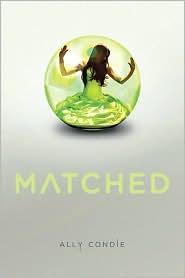
5. Matched (2010)
By Ally Condie
Matched is a dystopian work by Ally Condie, published in 2010. The Dystopia Index files it under young-adult dystopia, feminist dystopia, and totalitarian control, tracing documented themes of rebellion. This entry links the book to its subgenres, themes, related titles, and where to read or borrow it.

6. Wither (2011)
By Lauren DeStefano
Wither is a dystopian work by Lauren DeStefano, published in 2011. The Dystopia Index files it under young-adult dystopia, feminist dystopia, and biopunk and genetic control, tracing documented themes of genetic engineering and reproductive control. This entry links the book to its subgenres, themes, related titles, and where to read or borrow it.

7. The Heart Goes Last (2015)
By Margaret Atwood
The Heart Goes Last is a dystopian work by Margaret Atwood, published in 2015. The Dystopia Index files it under feminist dystopia, post-apocalyptic collapse, dystopian social satire, and the surveillance state, tracing documented themes of reproductive control and surveillance. This entry links the book to its subgenres, themes, related titles, and where to read or borrow it.
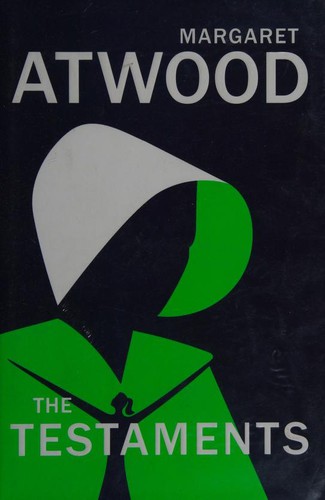
8. The Testaments (2019)
By Margaret Atwood
The Testaments is a dystopian work by Margaret Atwood, published in 2019. The Dystopia Index files it under feminist dystopia, totalitarian control, and young-adult dystopia, tracing documented themes of rebellion and reproductive control. This entry links the book to its subgenres, themes, related titles, and where to read or borrow it.